Discover posts

Explore captivating content and diverse perspectives on our Discover page. Uncover fresh ideas and engage in meaningful conversations

हम अक्सर असंतुष्ट होते हैं क्योंकि हम ज़्यादा सोचते हैं, जिससे हमारा मन चिंता और विचारों के चक्र में फंस जाता है और हमें वर्तमान से दूर कर देता है। ज़्यादा सोचने से हम वास्तविकता को विकृत कर देते हैं, जिससे चिंता और असंतोष बढ़ता है। निर्णय लेने के डर से हम आगे नहीं बढ़ पाते और दूसरों से तुलना करके ईर्ष्या महसूस करते हैं। अंततः, यह मानसिक थकान हमारी ऊर्जा खत्म कर देती है और शांति पाने में कठिनाई होती है। सच्चा सुख मन को शांत करने और वर्तमान को अपनाने से आता है।

image

We often feel unhappy because we think too much, getting stuck in cycles of overanalyzing, worrying, and regret. This overthinking takes us away from the present moment and distorts reality, fueling anxiety and stress. It can lead to "analysis paralysis," where fear of making the wrong decision holds us back. Comparing ourselves to others also worsens our sense of contentment. In the end, excessive thinking drains our energy and amplifies self-criticism, making peace harder to find. True happiness comes from quieting the mind, living in the present, and letting go of unhelpful thoughts.

image
Sukhi S changed his profile picture
1 y

image

दूसरों से बात करते समय चेहरे पर शिकन डालना विभिन्न भावनाओं या मानसिक स्थितियों को दर्शा सकता है। यह ध्यान केंद्रित करने, भ्रमित होने या अनिश्चितता का संकेत हो सकता है, जब व्यक्ति जानकारी को समझने की कोशिश कर रहा हो। बातचीत के दौरान यह असहमति, निराशा या भावनात्मक तनाव का भी संकेत हो सकता है। कुछ मामलों में, यह केवल एक आदत होती है, जो अनजाने में स्वाभाविक शरीर भाषा का हिस्सा होती है।
शांत रहने के लिए इस पर नियमित रूप से ध्यान दें!

image

खुश और शांत जीवन की असली कुंजी सादगी में है, लेकिन इसे पाना काफी कठिन हो सकता है। आज की दुनिया में जहां ध्यान भटकाने वाली चीजें और जटिलताएं हैं, हम अक्सर सरलता की ताकत को नजरअंदाज कर देते हैं। सादगी का मतलब है अनावश्यक बोझ से छुटकारा पाकर, जो वास्तव में जरूरी है उस पर ध्यान देना। हालांकि, अधिक पाने और तुलना में फंसने की हमारी आदत के कारण, सादगी को अपनाना चुनौतीपूर्ण हो जाता है।

image

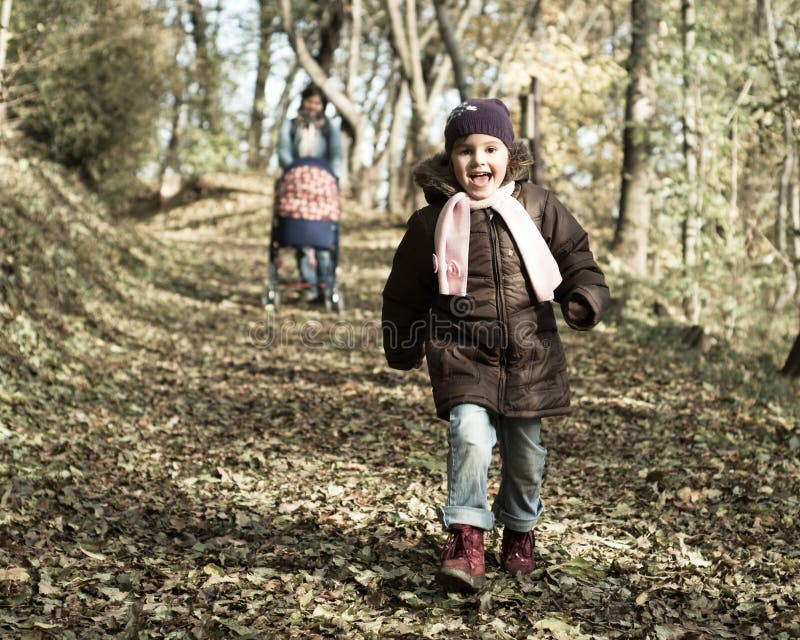
बिना किसी कारण हंसना खुशी या मनोरंजन की एक सहज अभिव्यक्ति है, जिसका कोई विशेष कारण नहीं होता। यह तनाव को कम करने, मूड को बेहतर बनाने या बस हल्के-फुल्के पलों का आनंद लेने का एक तरीका हो सकता है। इस तरह की हंसी अक्सर संक्रामक होती है, जो सकारात्मकता फैलाती है और दूसरों के साथ जुड़ाव की भावना को बढ़ावा देती है। इसे हंसी योग जैसी प्रथाओं में भी प्रोत्साहित किया जाता है, जहां माना जाता है कि यह सार्थक जीवन में सुधार करता है और खुशी को बढ़ाता है। भले ही कोई स्पष्ट कारण न हो, बिना किसी वजह हंसने से भावनात्मक और शारीरिक स्वास्थ्य पर गहरा असर पड़ सकता है।

image

Laughing for no reason is a spontaneous expression of joy or amusement without any specific trigger. It can be a way to release stress, lift your mood, or simply enjoy a moment of lightness. This kind of laughter is often contagious, spreading positivity and fostering a sense of connection with others. It’s also encouraged in practices like laughter yoga, where it's believed to improve well-being and boost happiness. Even without a clear cause, laughing for no reason can have a powerful impact on both emotional and physical health

image
Platform For Happiness changed his profile picture
1 y

image

The real key to living a happy and calm life lies in embracing simplicity, though achieving this simplicity can be surprisingly difficult. In a world full of distractions, complexities, and the constant pressure to do more, we often overlook the power of a simple approach. Simplicity means letting go of unnecessary clutter—whether it's in our possessions, our thoughts, or even our relationships. It involves focusing on what truly matters, staying grounded in the present, and not overcomplicating things. However, because we're conditioned to seek more, chase perfection, or get caught up in comparison, simplifying!

image

Frowning while talking with others can reflect various emotions or mental states. It may indicate concentration, confusion, or uncertainty as the person processes information. A frown can also signal disagreement, frustration, or emotional stress during the conversation. In some cases, it’s just a habitual expression, happening unconsciously as part of their natural body language!!
Notice regularly for Calmness!!

image